

Understanding Depression and Anxiety: When to Seek Help
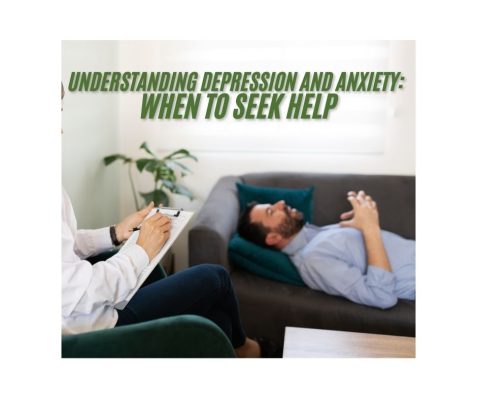
Feeling Down or Feeling Depressed
Feeling down or having the blues from time to time is a normal part of the human experience. Everyone encounters moments of anxiety, particularly in stressful situations. However, when feelings of depression or anxiety become severe or persist for extended periods, they may signal a deeper issue requiring professional help.
Major Depressive Disorder: A Closer Look
The most common form of depression is known as Major Depressive Disorder (MDD). Major depression is characterized by either an overwhelming feeling of sadness or a noticeable loss of interest and pleasure in most activities. This condition goes beyond occasional sadness; it profoundly impacts a person’s ability to function in daily life.
Symptoms of Major Depressive Disorder
The symptoms associated with MDD can vary widely among individuals but commonly include:
- Changes in Appetite: This may manifest as a decrease or increase in appetite, leading to significant weight loss or gain.
- Insomnia or Hypersomnia: Some individuals struggle with falling or staying asleep, while others may sleep excessively.
- Constant Fatigue: A pervasive feeling of exhaustion that doesn’t improve with rest is common.
- Feelings of Worthlessness: Many individuals experience an overwhelming sense of inadequacy or failure.
- Excessive Guilt: This can be disproportionate and often relates to past events or perceived shortcomings.
- Recurrent Thoughts of Death or Suicide: This includes thoughts about self-harm, whether or not there are specific plans for committing suicide.
- Cognitive Difficulties: Individuals may face challenges in thinking, concentrating, and making decisions.
While depression and anxiety are distinct disorders, they frequently coexist. There is no evidence to suggest that one causes the other, but many individuals experience symptoms of both, complicating their emotional health.
Variations in Depression Across Different Demographics
Depression can manifest differently based on age and sex, leading to variations in symptoms and behaviours.
Depression in Men
Men often exhibit signs of depression through:
- Tiredness and Irritability: Rather than expressing sadness, men may become more irritable and withdrawn.
- Anger: Some men may express their depression through anger or frustration.
- Reckless Behaviour: Engaging in risky activities or abusing substances can be coping mechanisms.
- Underrecognition: Many men fail to recognize their depression and may avoid seeking help, believing that they should be able to handle their emotions on their own.
Depression in Women
Women typically experience depression in ways that include:
- Sadness and Worthlessness: Women are more likely to articulate feelings of sadness and guilt.
- Relational Focus: They may emphasize interpersonal relationships, feeling a heightened sense of responsibility for the well-being of others.
Depression in Children
In younger children, depression can be more challenging to identify, often manifesting as:
- School Refusal: Children may resist going to school, fearing separation from parents.
- Separation Anxiety: Intense worry about losing parents or caregivers.
- Physical Complaints: Children might express depression through unexplained aches and pains.
Depression in Teenagers
Teenage depression can manifest as:
- Irritability and Sulkiness: Teens may appear moody or disengaged.
- Trouble in School: Academic performance may decline, and they may experience increased conflict with authority figures.
- Co-occurring Disorders: Depression in teenagers often coexists with anxiety, eating disorders, or substance abuse.
Depression in Older Adults
In older adults, symptoms may be more subtle:
- Reluctance to Express Sadness: Many older adults find it difficult to admit feelings of depression or grief.
- Medical Issues: Chronic health problems may contribute to feelings of depression, complicating the diagnosis.
Seeking Help: The Importance of Professional Support
While experiencing occasional sadness or anxiety is normal, it is essential to recognize when these feelings escalate to a point that interferes with daily life. Seeking professional help can provide individuals with the tools and support needed to manage their emotions effectively.
The Role of Hypnotherapy in Treating Depression and Anxiety
One innovative treatment option gaining recognition is Analytical Hypnotherapy. Practiced at Setanta Hypnotherapy Clinic in Peel since 2005, this method has shown success in resolving both depression and anxiety.
How Hypnotherapy Works
Analytical Hypnotherapy aims to address the root causes of emotional distress rather than just the symptoms. By accessing the subconscious mind, this therapeutic approach helps individuals uncover and process underlying issues contributing to their mental health challenges.
- Root Cause Exploration: Hypnotherapy can assist in identifying past traumas or unresolved conflicts that may manifest as depression or anxiety.
- Behavioural Change: It encourages positive changes in thought patterns and behaviours, fostering resilience and emotional stability.
- Stress Reduction: The relaxation techniques inherent in hypnotherapy can also help manage stress and promote overall well-being.
Getting Started
If you or someone you know is struggling with depression or anxiety, consider reaching out for support. Setanta Hypnotherapy Clinic offers free consultations to help individuals explore their options and begin the journey toward healing.
To book a free consultation, visit our website or contact us via our Facebook page. Taking the first step toward seeking help can be daunting, but it’s a crucial move toward regaining control over your mental health.
Conclusion
Understanding the complexities of depression and anxiety is vital in promoting mental health awareness. While experiencing sadness or anxiety is a part of life, recognising when these feelings become unmanageable is essential. By seeking professional help, whether through therapy, medication, or alternative methods like hypnotherapy, individuals can find the support they need to navigate their emotional challenges and improve their quality of life.
Remember, it’s okay to ask for help, and taking that step can lead to a brighter, more fulfilling future.
Search
Latest Posts

Healing the Inner Child: Why Emotional Patterns Form — and How Hypnotherapy Helps
January 16, 2026
No Comments